3D Modeling & Fabrication
Objects that start as odd ideas, then get pushed through modeling, rendering, and fabrication reality.
This section is not just a gallery of final renders. It is a record of how I think through physical form: first the concept, then the silhouette, then the model, then the presentation, and finally the annoying but useful question of whether the object could actually exist outside the screen.
Project Map
Four object studies, each with a different kind of design problem.
The assets stay intentionally visible here: the rendered images give the first read, and the embedded decks show the fuller thinking behind each piece. I care about the difference between a model that looks cool for one screenshot and an object that has a legible purpose, scale, material mood, and story.
How I approach 3D work
The useful tension is between joke, object, and build.
A lot of my best 3D ideas start with something that sounds unserious: a pineapple cart, a spike tower, a butterfly lamp. The work becomes design when the joke has to survive actual decisions: where the weight goes, how the viewer reads the object, what the material implies, how it would be printed, and whether the final presentation makes the concept feel intentional instead of random.
I am drawn to objects with a strong personality, but I try not to let personality replace structure. The goal is to make the form feel specific enough to be memorable and controlled enough to be explained.
Start with the fastest possible interpretation: what is this object before anyone reads a caption?
Build the silhouette, proportions, repeated parts, and visual hierarchy so the object has rules.
Use rendering to test whether the piece feels playful, premium, strange, industrial, decorative, or theatrical.
Think through printability, supports, seams, scale, and file cleanup so the model is not only a render.
Object Study 01
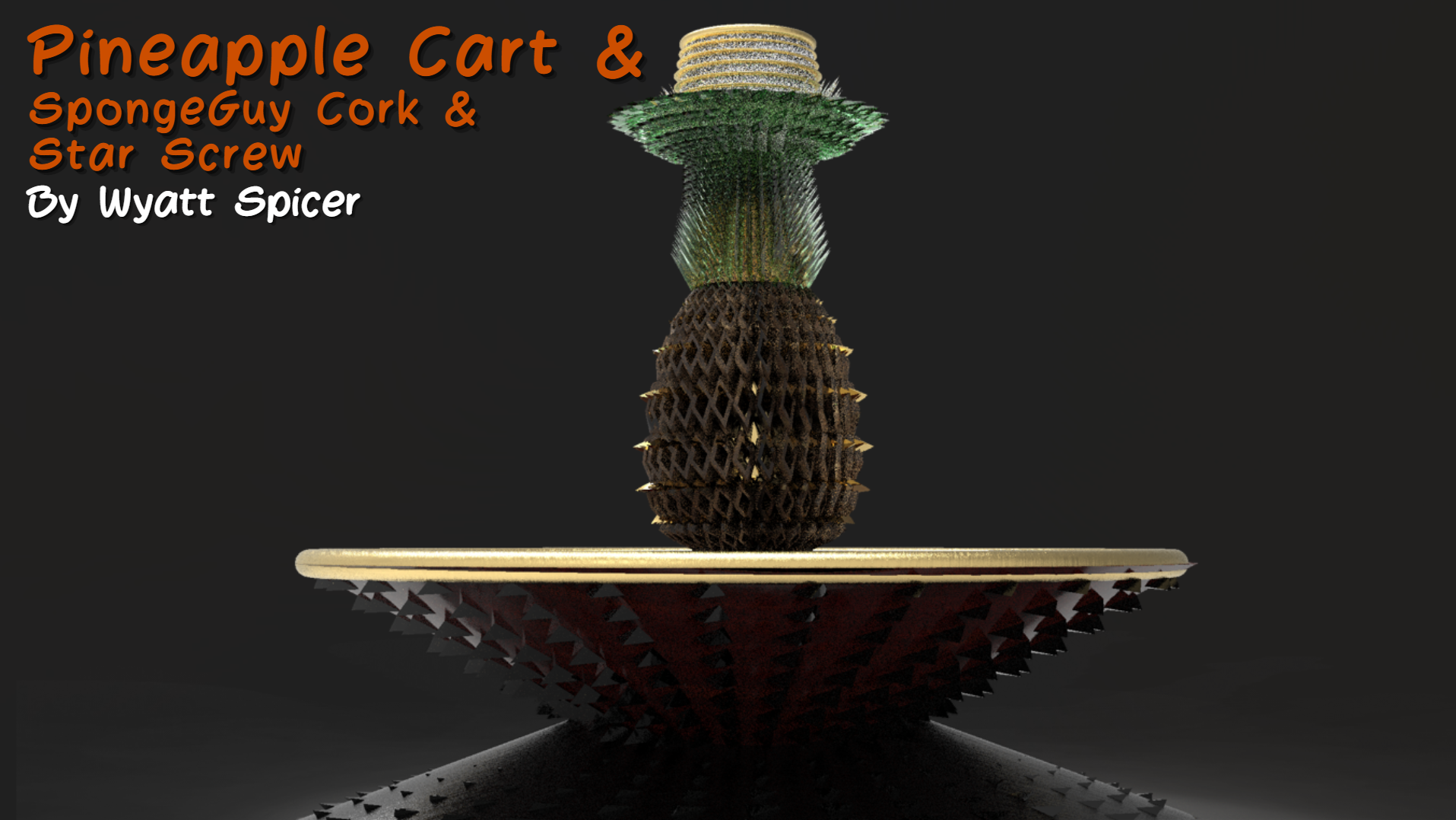
Pineapple Cart
A themed cart/table concept built around novelty, silhouette, and object personality. The project asks how far a playful visual idea can go before it stops reading as usable furniture and becomes only a prop.
What the deck is doing
The slideshow matters because it shows more than the glamour shot. It frames the cart as an object with a concept, not just a shape. The deck gives the viewer the design logic: theme, silhouette, rendered presentation, and the object’s personality.
- Uses a familiar fruit form as the visual anchor.
- Turns novelty into a furniture/table language.
- Tests whether humor can still feel polished.
- Leaves room for future fabrication decisions around wheels, handle scale, weight, and joinery.
Object Study 02
Spike Tower
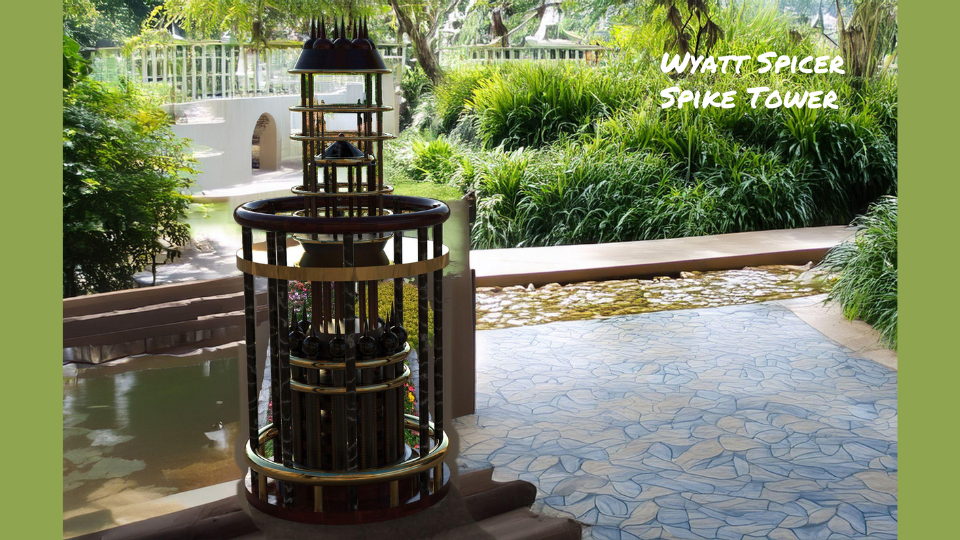
A vertical sculptural form study focused on rhythm, repetition, and controlled intensity. The design problem is restraint: spikes can become visual noise quickly, so the object has to establish order before it establishes attitude.
What the deck is doing
The slideshow treats the piece like a form study. It gives the tower room to be read from multiple angles and lets the repeated geometry become the actual content of the project. Instead of relying on one dramatic render, the presentation asks whether the object has enough internal rules to stay interesting.
- Explores verticality as the organizing principle.
- Uses repetition to create rhythm rather than clutter.
- Frames the piece as sculptural, not strictly functional.
- Connects the rendering style to material attitude and scale.
Object Study 03
Butterfly Lamp
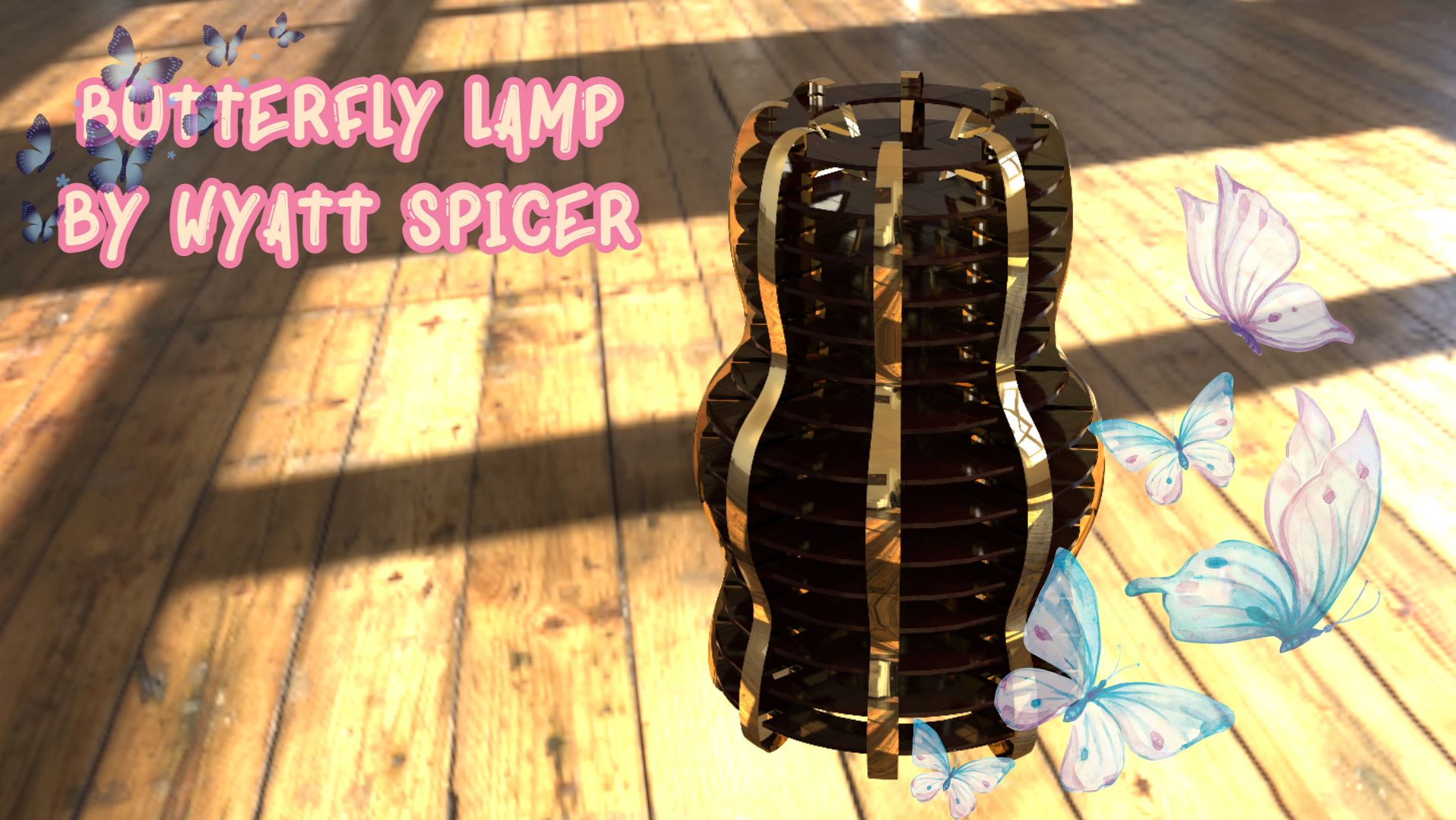
A lighting object concept balancing sculptural decoration, functional intent, and character-driven form. Compared with the sharper spike studies, this project leans into softness: wings, glow, ornament, and the emotional role a lamp can play in a room.
What the deck is doing
The slideshow gives the lamp a softer design language and makes the project feel closer to product storytelling than pure sculpture. The important move is not just making something shaped like a butterfly; it is deciding how the reference affects light, mood, placement, and the viewer’s expectation of the object.
- Connects ornament to a familiar household object category.
- Uses character and silhouette as the first interaction.
- Pushes the piece toward mood, glow, and room presence.
- Raises fabrication questions around thin elements, stability, and assembly.
Object Study 04
Spike Light
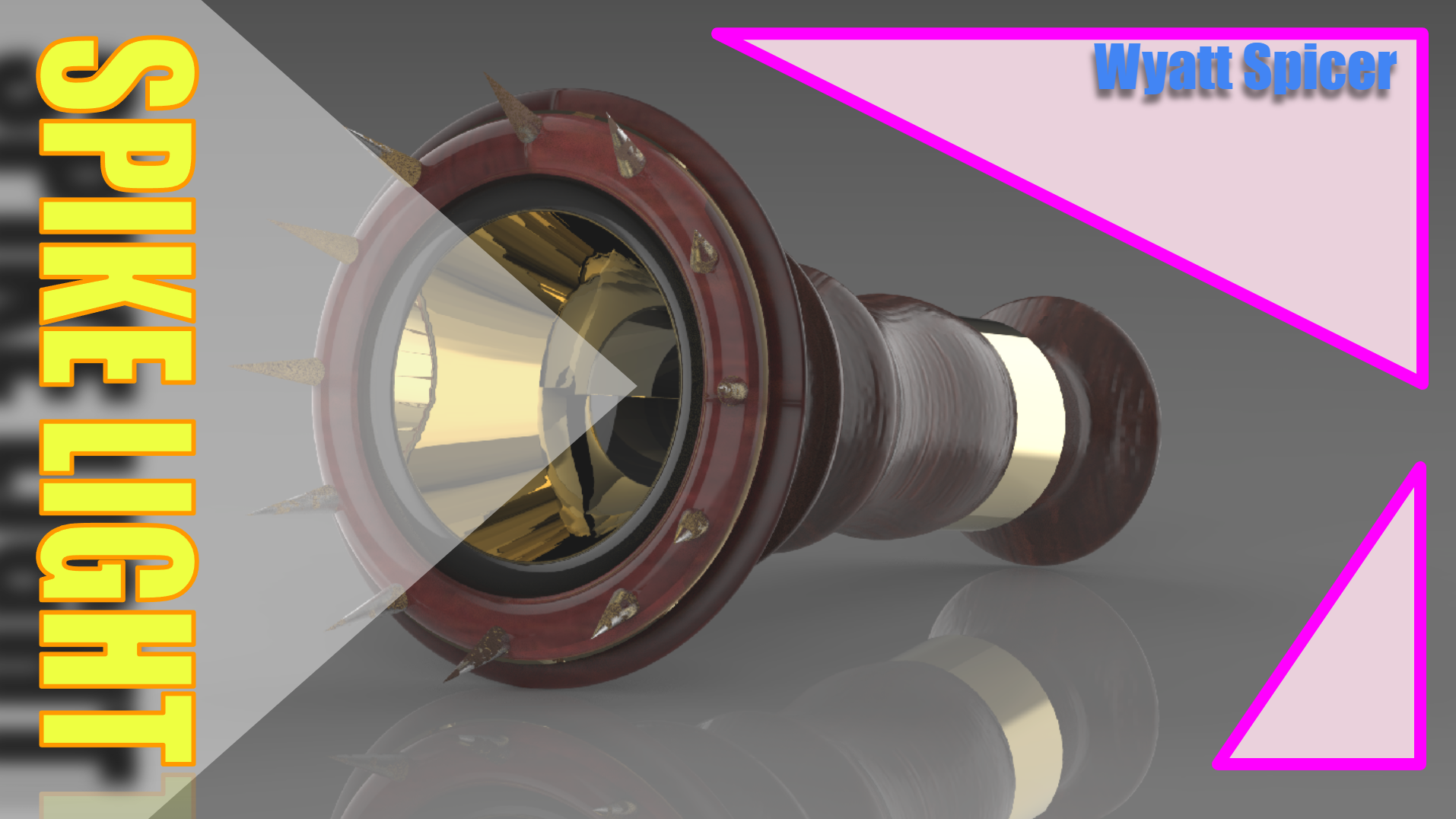
A hard-surface light object exploration focused on product mood, material finish, and rendered form. This project sits between sculpture and product design: it wants the theatrical edge of a prop, but the presentation language of an object someone could imagine on a shelf, desk, or set.
What the slide deck is doing
The presentation leans on KeyShot-style product mood: reflective surfaces, light behavior, camera angle, and atmosphere. The deck helps translate a form that could feel harsh into an object with a visual role. It is less about explaining a mechanism and more about selling a design attitude.
- Frames hard-surface modeling through lighting and material.
- Uses render staging to communicate product mood.
- Connects the object to theatrical display and visual identity.
- Suggests future refinement around light source, heat, scale, and printable assemblies.
Reflection
The slide decks stay because the process is part of the work.
For these projects, the deck is not filler after the model is done. It is part of the design output. A 3D object has to be read through scale, angle, material, and context, and the slideshow format lets me show how I am positioning the object rather than only showing that I can make a form.
What I learned
Strong 3D work needs an argument. A clean render is useful, but the object becomes more convincing when the presentation explains why the form exists, how it should be read, and what kind of world it belongs in.
What I keep pushing
I am continuing to connect digital modeling to fabrication: cleaner STLs, better print orientation, more realistic scale decisions, and objects that can move from Rhino/KeyShot into actual Ender-3 V3 KE prototyping.
In progress
More object experiments are becoming fabrication studies.
Additional prosthetic form studies, themed object experiments, and small desktop prototypes are being developed as my printing workflow gets cleaner. I am treating those as process work until they have enough testing, iteration, and physical output to sit beside these finished slide-based studies.